Behind the Music: Rebekah Hawker and Alyssa Giammaria on “Quit My Habit”
novembre 20, 2026
Budget constraints often keep music programs from getting a much-needed refresh. The MusiCounts Fellowship for Emerging Songwriters & Composers Program eliminates those financial barriers by offering free scores that will also be featured in the CBC Music Class Challenge, powered by MusiCounts. Through the program, educators and students can discover fresh Canadian music from the next generation of homegrown songwriters and composers who deserve a wider audience.
“Quit My Habit” was written by Songwriter Fellow Rebekah Hawker of Barrie, Ontario, and composed by Composer Fellow Alyssa Giammaria of Hamilton, Ontario.
“Quit My Habit” is a deeply personal and heartfelt song about your mother. What was your writing process like, and how did it feel to share this song with the world?
The story of this song came out of a spontaneous moment when I was grieving my mom. She passed away in September 2021. I hadn’t actually written any songs about her before I wrote this.
Two years later, I went to a friend’s show in Barrie. I’d been listening to his music since I was a teenager, so his voice carried a lot of nostalgia for me.
He sang a song he'd written about his dad, who had passed away in a similar way to my mom. It triggered a guttural reaction in me that wasn't sadness. It was more like an annoyance. I suddenly became emotional, and thoughts of my mom flooded my mind, bringing up feelings of grief and pain. I was jotting down these lyrics, thinking about my mom and things that belonged to her, like a ring or her perfume.
The next morning, my friend (who was staying with me) and I essentially wrote the song that day. This isn’t always how I write songs, but it really was this strong emotional feeling that was driving me. It was almost like a journal entry that I had to get out.
Writing music about grief makes you very vulnerable. As a songwriter, how comfortable are you with being vulnerable?
To write with true vulnerability, you need to block out the fact that people might eventually listen to it. These kinds of songs need to feel compulsive, like exercise, which people do because they know it will make them feel good. I could almost put on these blinders, forget that others would be listening, and be really truthful to myself. Writing with honesty and vulnerability is really important for me. I don’t think music has worth if there’s not vulnerability in it.
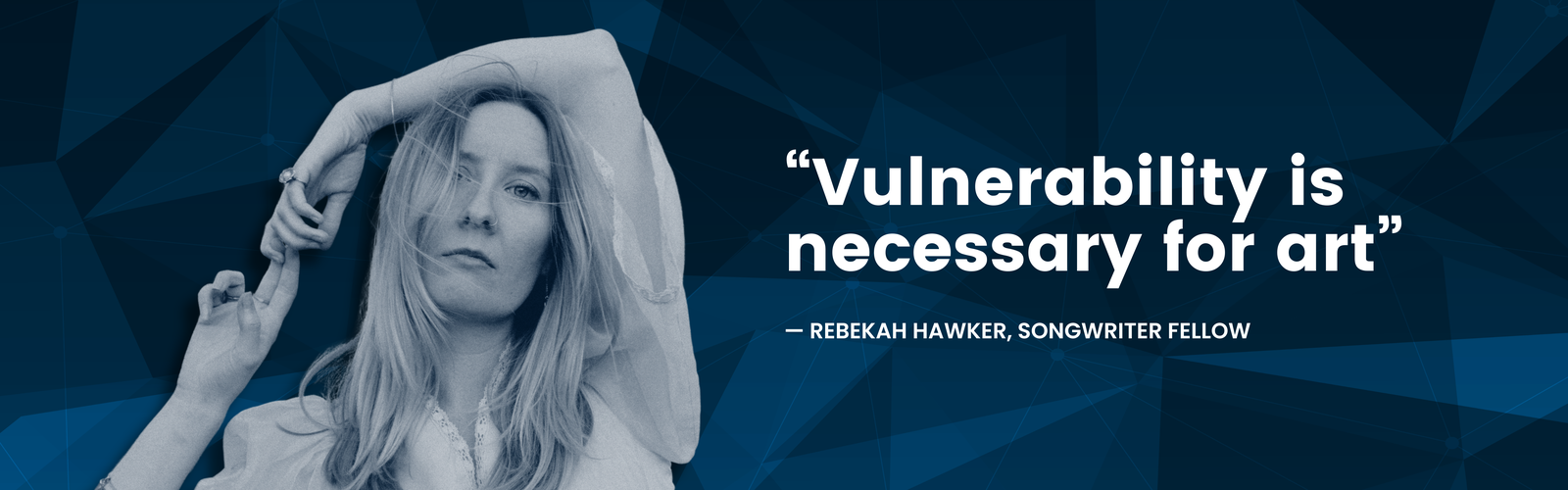
Figure out what spaces unlock vulnerability for you. If you're introverted and find it difficult to go to certain places with others, is journaling the solution? Is it going for really long walks? Or is it visiting an art gallery alone once a week, where you feel like you're floating through your abyss? Is it connecting with a friend who really gets you? Maybe it’s going to therapy! Vulnerability is necessary for art.
There is a reason we have so many songs about love, heartbreak, and grief. Everyone experiences it in a unique way. To be truly vulnerable is to also give yourself permission to really understand what your unique perspective is and write your truth. What will make your music stand out and worth sharing is its unique quality, which sets it apart from the million songs already out there.
How has participating in the 2023 RBC x Launchpad Music Entrepreneurship Program shaped you as a musician?
I wrote 'Quit My Habit' while I was in that program, which took place at Daniel's Launchpad Artscape in Toronto, a venue that no longer exists. I had moved back home and was living with my dad, and it was after my mom passed away.
It was a time when I was really healing. Being connected through the program, I met so many cool artists. I was coming down to Toronto to do workshops. Even though I was feeling isolated living on a farm, every week I was dialing into these calls with my cohort.
There are still people that I did the program with that I’m running into at conferences, events in the folk world, or here in Toronto now.
What excites you most about arranging “Quit My Habit” for a choir?
It was when I first heard the song that I discovered I was arranging it for choir. As a vocalist, that made me very excited! I was so struck by the vulnerability in the song. I loved the flow of the melody, all the subtle bits of the band, everything playing together.
I started to hear two distinct vocal arrangements. Some of the lines would lend themselves well to that classic folk-country three-part harmony. In other parts, I heard a bit more of a choral contrapuntal sound. I’m only arranging it for piano and choir, so the feeling that the instruments gave me sparked some nice ideas to put into the vocals.
What was the arrangement process like, and were there any challenges you faced?
We have two arrangements: one for intermediate choirs with four-part harmonies and another for smaller or younger choirs with two-part harmonies. The challenge lies in writing an arrangement that kids can learn quickly, while still incorporating all the details I envisioned for the song. Additionally, how can I make this engaging for them to sing while preserving the song's essence?
What has teaching vocal, piano, and music theory taught you about music, your students, or about yourself?
I’ve been teaching for quite a long time now. I started as a substitute teacher until I got my own students. Over the years, I’ve come to see that there are definitely similarities across students, from as young as four to adults who are retired. Everybody has their individuality, and their struggles differ from student to student.
I’ve really learned to approach every lesson with an openness. I believe it's crucial to meet students where they are, rather than going into lessons with a predetermined idea of what they need to know.
While still teaching according to my principles, I've come to understand that everyone will be at a different place on certain days. Teaching has taught me how important it is to go over the fundamentals and tune in to what it is that you want to do with music. Technique can be taught through that, but its importance shouldn't lie solely in having technique.
What are the biggest takeaways or skills you gained from the Fellowship Program?
It’s been really nice to get constructive feedback along the way from Cait, who’s the Composer Mentor, and Rebekah. It’s so rare for me to write something and get direct feedback from the songwriter as I’m doing it. Sometimes I don’t know what the original songwriter thinks until the final arrangement is already done and it’s time to perform it.
The other composers have such interesting ideas. If I’m stuck on something, just hearing somebody else talk is really great. As a performer, I find it much easier to network in that world because performing is inherently social, whereas composing is a solitary activity where I'm often alone, writing. Cait’s been great with giving me some practical resources and other programs I can look into.
It’s also a good reminder of time management for me because we have certain deadlines, but I have to work it around my other jobs.

Given your extensive experience in the music industry, what advice would you give students considering a career in music?
Rebekah:
Don't make assumptions about what a career in music looks like, as it can truly take a million different forms. Some individuals make a living from music, while others have additional creative pursuits or unrelated jobs in the music industry. That’s really normal in our day and age. If there’s a job that looks really interesting to you, the best thing you can do is reach out to people who are in that field.
Everyone's path is different, but the more information you have about what that life is actually like, versus the story you're making up in your head (the better). It provides the best head start for deciding where to attend school, whether to move to a bigger city, and what skills to develop.
Alyssa:
There are so many ways I could answer this. One of the biggest pieces of advice I could give to someone considering a career in music is to find fulfillment from within yourself. There are so many different paths in music, including performing, teaching, and writing.
It’s normal to be affected by rejections and to be excited about acceptances or awards. If you let that define you, you’re going to have a hard time going anywhere because there’s so much rejection. There's so much of nothing. I think recognizing that achievements don't define you will help you stay true to yourself and find a clear path.
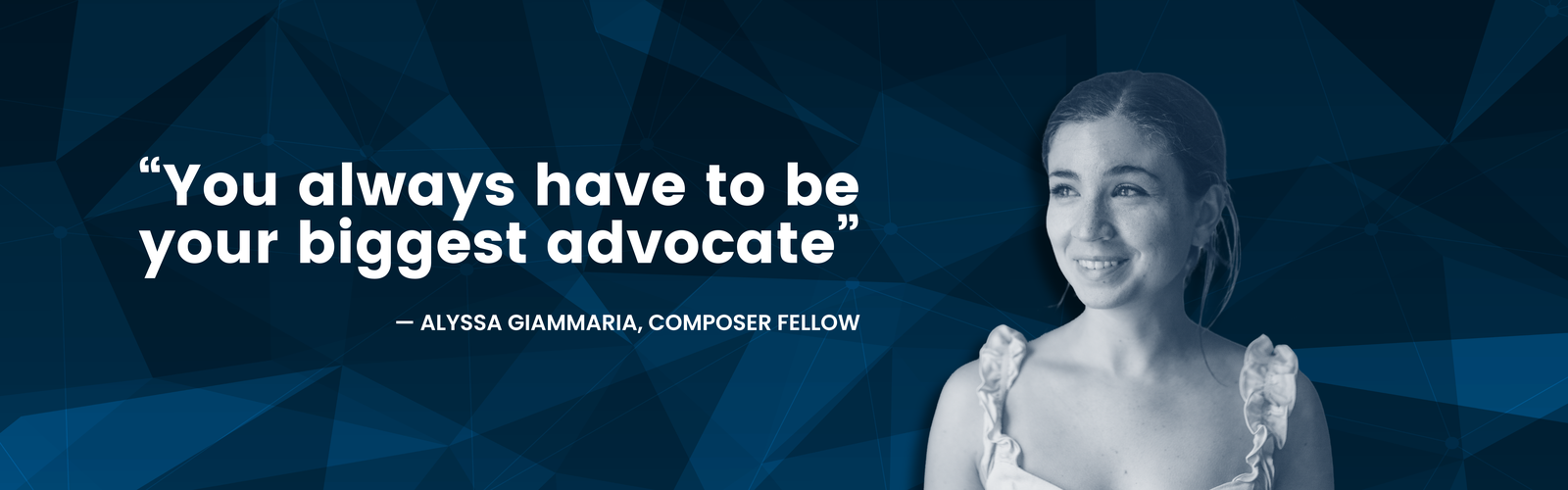
I would always say to reach out for help. People want to help you. This career has so much going on. There’s so much changing all the time. Jobs can look easy online, but there’s so much that you don’t see. You always have to be your biggest advocate. Reaching out, asking people for advice or lessons can go a long way.
“Quit My Habit” will be featured as a song for the CBC Music Class Challenge 2027 - do you have any tips for teachers or students during their preparation? What do you hope students feel the first time they perform this together?
Alyssa:
From a technical standpoint, listening to the song before singing it is key. There are some of the rhythms that Rebekah sings that are so beautiful, they make the song flow so well. If you’re just looking at the music, it might look a little bit difficult but it’s actually quite reasonable to do together.
I hope the students experience the connection of singing in a group, where everyone shares equal responsibility for the song, and feels the energizing effects of teamwork it brings.
Even if people can’t 100% relate to the lyrics, the message of the song is so relatable to the human experience at almost any age. I really hope that they get that when they sing together.
Rebekah:
I remember being in choirs when I was in high school and it was so fun. Sometimes, you're so focused on the technicality of what you're singing, but for a song like this, the real impact comes from understanding the emotional side, especially for older students.
Don’t be afraid. It’s a song about grief, so that’s something you can talk about with your parents or family members. I hope that you can feel that connection, like Alyssa said, to each other, because that’s why I get my audience to sing the chorus with me.
Sometimes when we’re singing in big choirs, we can feel separated from the audience. But this, especially, is a song where I hope you can really feel that connection and see the impact that it’s having on your loved ones or your community members that you’re sharing it with.
*This interview was edited for clarity.